

CFMR Blog
We are all just walking each other home.
— Ram Dass
These reflections offer psychoeducation through a compassion-based awareness lens, exploring how we suffer, how survival patterns organize experience, and how attention and language support healing. Familiar concepts are revisited and new language introduced, often in ways that differ from traditional psychological frameworks.

Unlearning "Not Enough": Healing Perfectionism, People-Pleasing, and the Lies We Inherited
If you've ever felt like you're not enough no matter how hard you try, you're not broken. You may be carrying patterns that were never yours to begin with. Therapist Holly Pinto explores how perfectionism and people-pleasing take root, and how compassion can help you find your way back to yourself.

Listening to the Wisdom of the Body
Long before language develops, the nervous system is already learning how to survive, connect, and protect. Somatic therapist Amy Freeman explores what it means to truly listen to your body.

Humor as a Tool for Survival and Healing
Humor has always been one of my favorite coping mechanisms, both personally and in clinical practice. When life feels heavy, laughter has a way of softening the edges, creating connection, and giving us just enough space to breathe.

The Practice of Beginning
A contemplative reflection on awareness, ego, and creative resistance, and how practicing presence allows us to begin again with compassion and authenticity.
Crisis as a Call to Attention
Crisis reveals more than what is happening around us, it shows us how we relate to what arises within. This reflection explores attention, care, and why tending to ourselves is not a retreat, but a form of resistance.

Healing Myth: “If things feel worse, healing isn’t working”
When healing begins to touch what was once kept out of view, distress can increase rather than resolve. Feeling worse does not necessarily mean something has gone wrong. It often reflects greater access to sensations, emotions, and memories that were once buffered in order to survive. Healing is not always experienced as relief. Sometimes it is the nervous system reorganizing as new associations of safety begin to form.

Myth: “Healing will make my relationships better”
Healing changes how we relate to ourselves and others, but it does not promise reciprocity. This reflection explores what healing actually offers, and what it asks us to grieve.

Awareness, Compassion, and Mindfulness in Anger Management
Anger is not something to eliminate, but something to understand. When approached with awareness, compassion, and mindfulness, anger can become a meaningful source of information rather than a force that harms relationships or well-being. This post explores how trauma, mindfulness, and self-compassion shape healthier ways of working with anger.

Healing Myth #1: The Fantasy of “Getting Past It”
Many people come to therapy expecting healing to put the past behind them. This piece explores why trauma lives in the present, and how healing asks us to stay rather than resolve.
The Voice Inside Your Head Isn’t You!
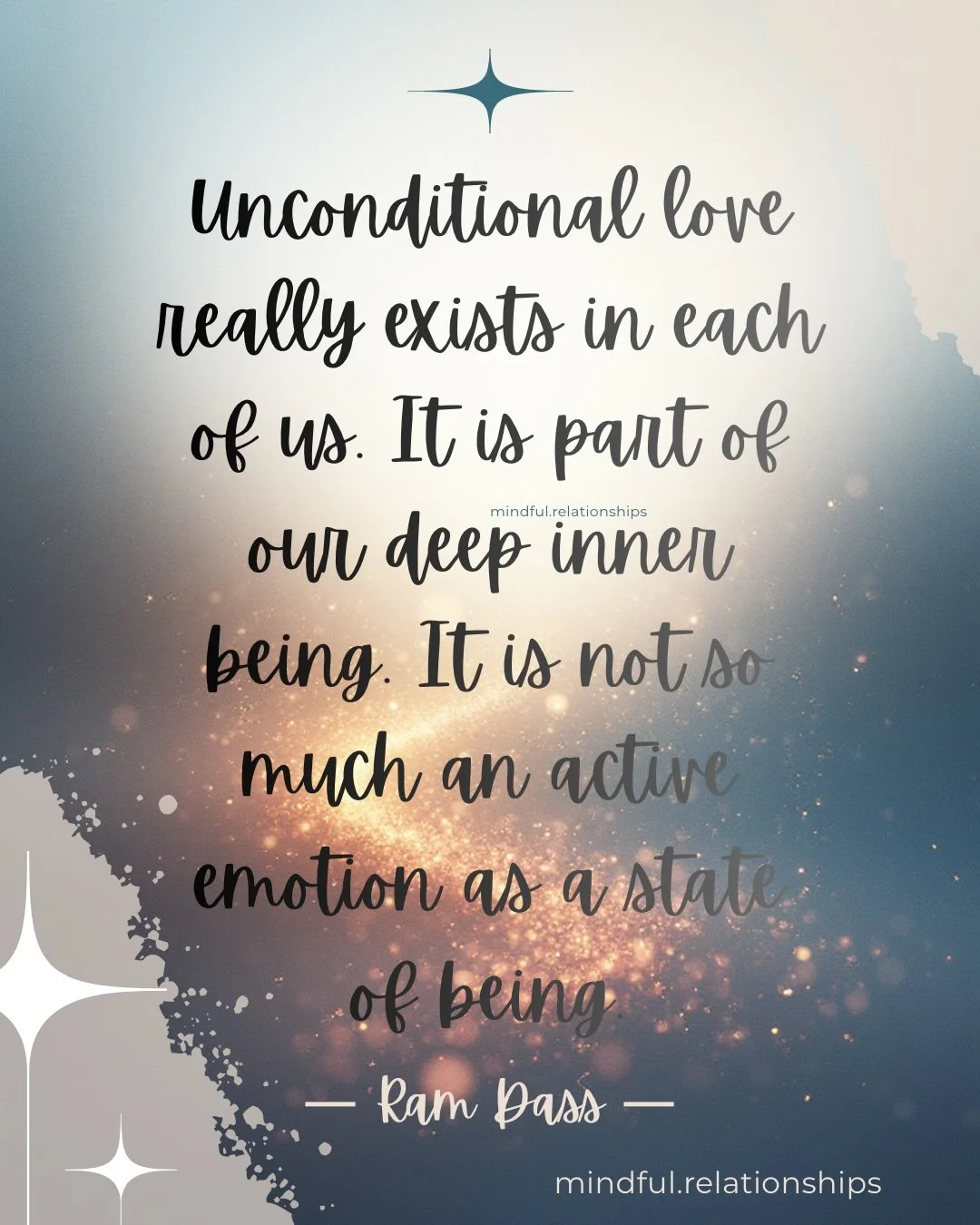
Unconditional love isn’t something we earn, perform for, or learn to deserve, it’s a truth we rediscover. Beneath the conditioning and the loudness of the ego voice, there is a quiet presence that has been here all along, steady and inviting. When we learn to notice the voice in the mind without believing it, we begin to reconnect with this deeper state of being, the place within us that already knows how to love without condition.

Compassionate Witnessing: A Path to Love
Discover Compassionate Witnessing, a mindfulness-based self-compassion practice rooted in Compassionate Based Awareness Therapy. Start noticing, softening, and healing.

Nothing’s Wrong
What does it mean to fall in love with yourself? Not in ego, but in tenderness? This piece explores how therapy can be a path to helping us rediscover Unconditional Love as our truest home.


